Capacity Building Training on MNCAH, Community Engagement, Coordination & Collaboration, and IPC Conducted Across Seven Upazilas of Bhola District
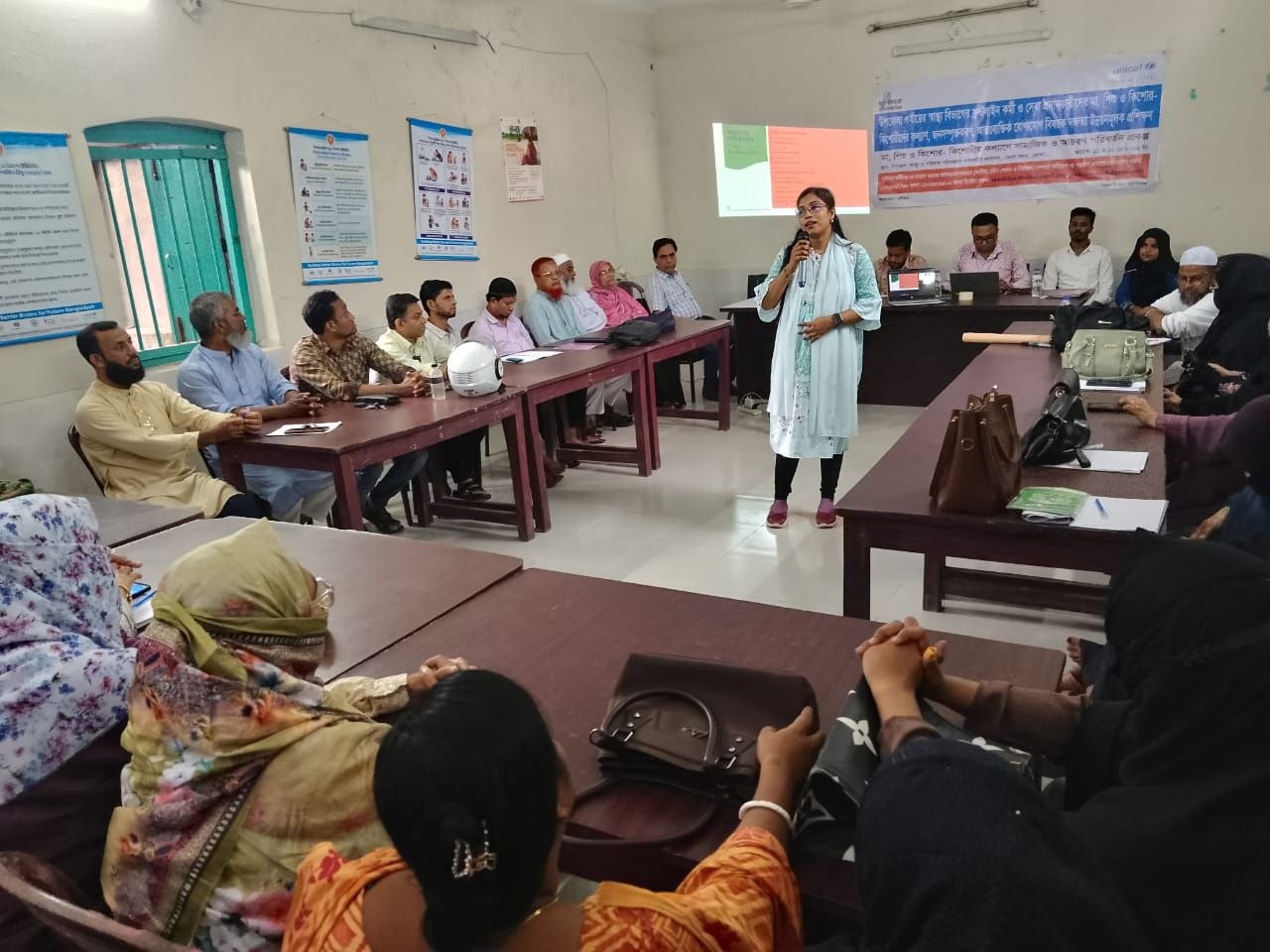
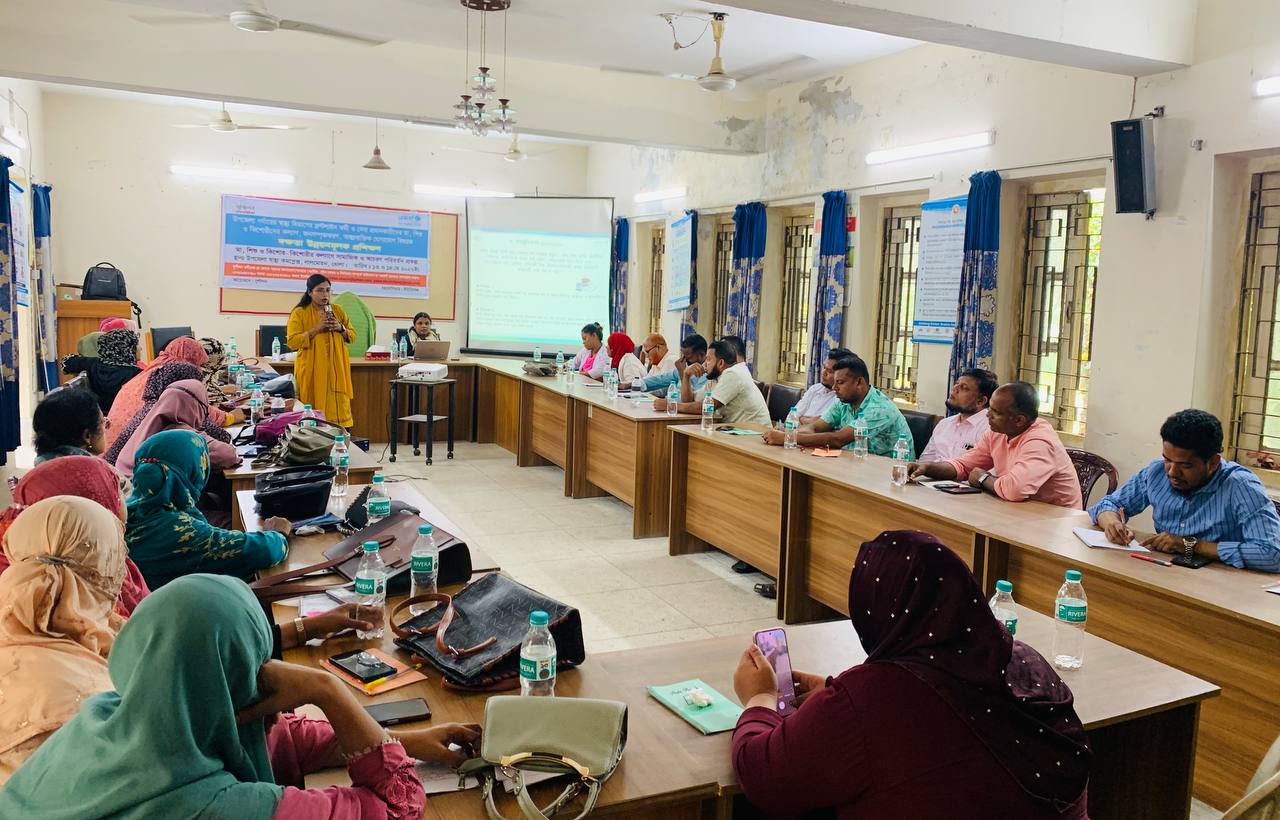
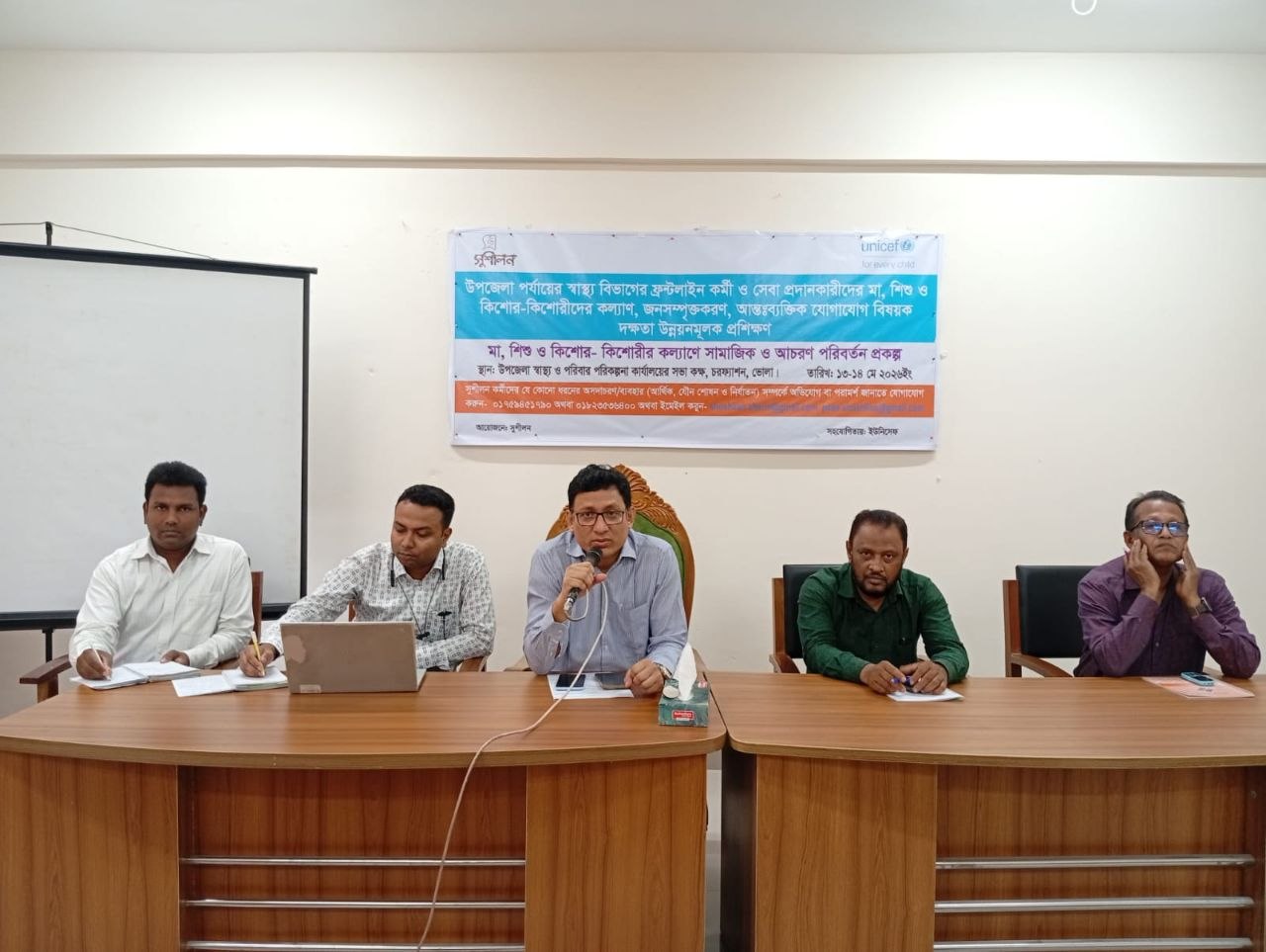
To strengthen maternal, newborn, child and adolescent health services and enhance community engagement and infection prevention practices, a two-day capacity-building training was conducted for frontline health workers and service providers across seven upazilas of Bhola District.
The training sessions were organized at the Upazila Health Complexes under the leadership of the respective Upazila Health and Family Planning Officers (UH&FPOs), with technical support from UNICEF through the Social and Behaviour Change (SBC) Programme, Shushilan.
The training brought together frontline health service providers, including Health Assistants (HA), Assistant Health Inspectors (AHI), Health Inspectors (HI), Family Welfare Assistants (FWA), Family Welfare Visitors (FWV), Community Health Care Providers (CHCP), nurses, and midwives. The sessions aimed to enhance participants’ knowledge, skills, and coordination mechanisms to improve the quality of health services at the community level.
The inaugural sessions were chaired by the respective Upazila Health and Family Planning Officers (UH&FPOs), who emphasized the importance of strengthening maternal and child health services, improving ANC and PNC coverage, promoting immunization, and increasing community awareness on health-related issues.
The training covered key thematic areas including Maternal, Newborn, Child and Adolescent Health (MNCAH), Community Engagement (CE), Coordination and Collaboration, Infection Prevention and Control (IPC), ANC and PNC services, Expanded Programme on Immunization (EPI), and adolescent health and nutrition.
The session on Community Engagement (CE) was facilitated by Mr. Sajib Rahman, Project Coordinator, Shushilan who highlighted the importance of meaningful community participation in improving health outcomes. He discussed effective approaches for engaging community leaders, religious leaders, teachers, and volunteers to promote positive health-seeking behaviors and strengthen community ownership of health interventions.
The session on Coordination and Collaboration was facilitated by Ms. Marufa Sultana, Training and Monitoring Officer,Shushilan She emphasized the importance of effective coordination among the Health Department, Family Planning Department, local government institutions, and development partners. Her presentation focused on strengthening collaborative efforts, information sharing, joint planning, and collective monitoring mechanisms to improve service delivery and program effectiveness.
Throughout the training, the respective Upazila Health and Family Planning Officers (UH&FPOs) and Upazila Family Planning Officers (UFPOs) conducted sessions and discussions on maternal and child health, ANC and PNC services, family planning, immunization, and community-based health service delivery. They also shared practical experiences and provided guidance on addressing existing challenges in the field.
Participants identified several key challenges affecting service delivery, including limited infrastructure for EPI activities, shortages of medicines and supplies, insufficient human resources, inadequate follow-up mechanisms, and low awareness regarding postnatal care services. Various recommendations were proposed to address these challenges, including strengthening community awareness initiatives, enhancing supervision and monitoring, conducting regular coordination meetings, and ensuring the availability of essential health commodities.
The training provided a valuable platform for knowledge sharing, experience exchange, and collaborative learning among frontline health workers. Participants actively engaged in discussions and demonstrated strong commitment to applying the knowledge and skills gained through the training in their respective workplaces.
At the closing session, the respective UH&FPOs thanked all participants for their active engagement and encouraged them to utilize the learning from the training to improve the quality and accessibility of health services within their communities.
The initiative is expected to contribute significantly to strengthening community-based health services, enhancing interdepartmental coordination, and improving health outcomes for women, children, and adolescents across Bhola District.